

Construction Scheduling Made Easy
Construction Scheduling Made Easy
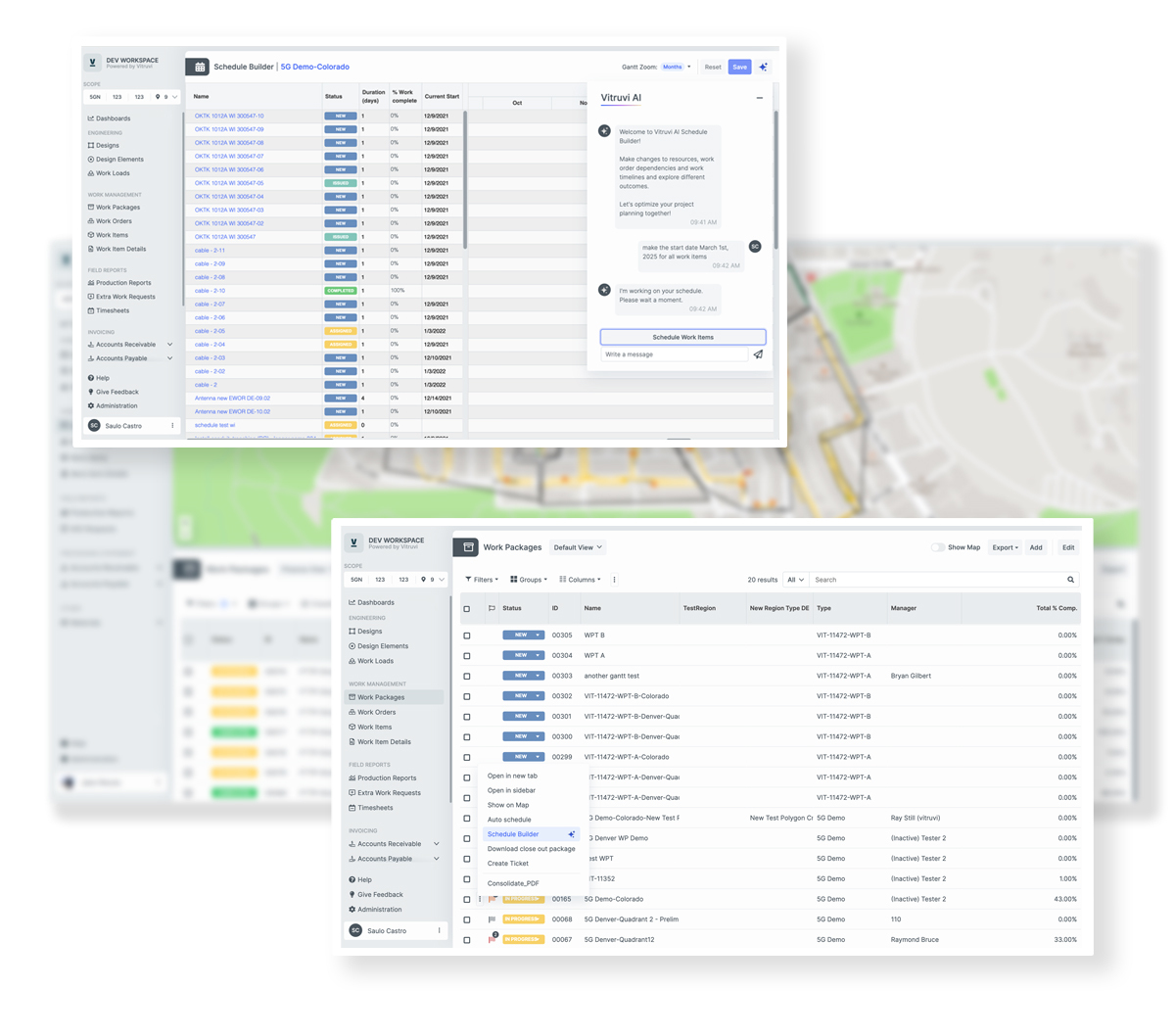
Easily visualize task dependencies and critical paths to understand how each activity impacts overall project timelines. Vitruvi’s intuitive Gantt and calendar views make it simple to adjust, reassign, or reschedule work based on live progress data. Teams can also save reusable schedule templates for recurring project types, speeding up setup and ensuring consistency across builds.
- Automate schedule updates based on field progress and milestone changes
- Identify and resolve dependencies across workstreams
- Optimize crew assignments and resource allocation
- Manage work orders, crew timelines, and parallel projects in one place
- Visualize and manage Critical Path activities to avoid schedule overruns
- Create and reuse project schedule templates for faster, more consistent planning
Create projects and assign work
Create projects and assign work
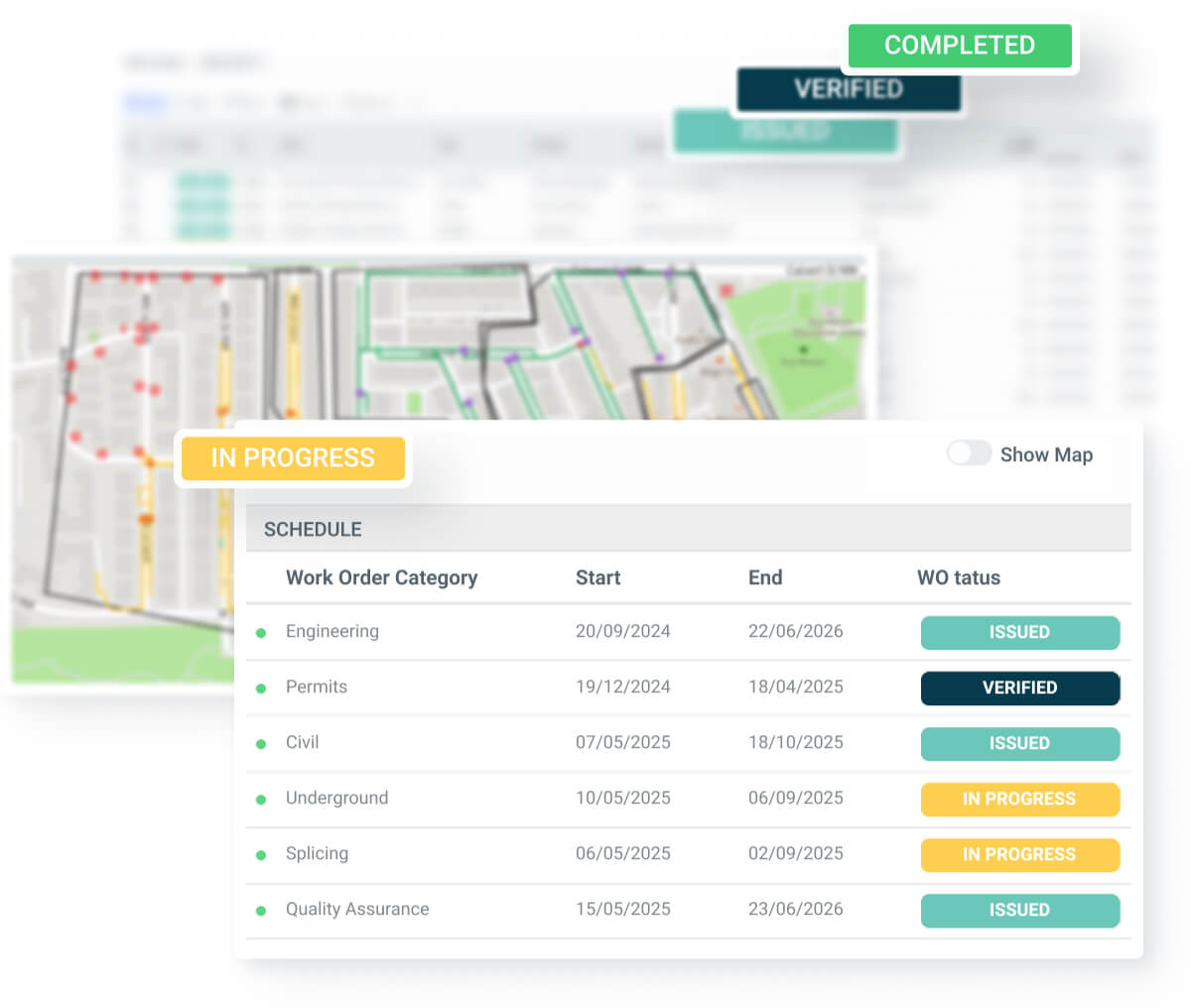
You can create and manage your projects through a configurable work template that can be modified based on the type of project. Whether you’re an owner, engineer, or field supervisor, Vitruvi provides the visibility each stakeholder needs. Assign tasks, track status, and communicate changes directly through shared schedules, reducing the need for status meetings and manual updates.
- Structure your work based on the location and type of work being done
- Assign and manage tasks to keep every crew aligned and accountable
- Share live project timelines with clients, subcontractors, and team members for transparent communication and accountability
Advanced Scheduling Features That Keep Projects Moving
Advanced Scheduling Features That Keep Projects Moving
Modern construction scheduling goes beyond setting dates – it’s about connecting every construction team, system, and decision in one place. Vitruvi offers advanced tools that help infrastructure and telecom teams plan smarter, react faster, and deliver projects on time.
- Connect and integrate existing tools to unify schedules, submittals, and RFIs in one system
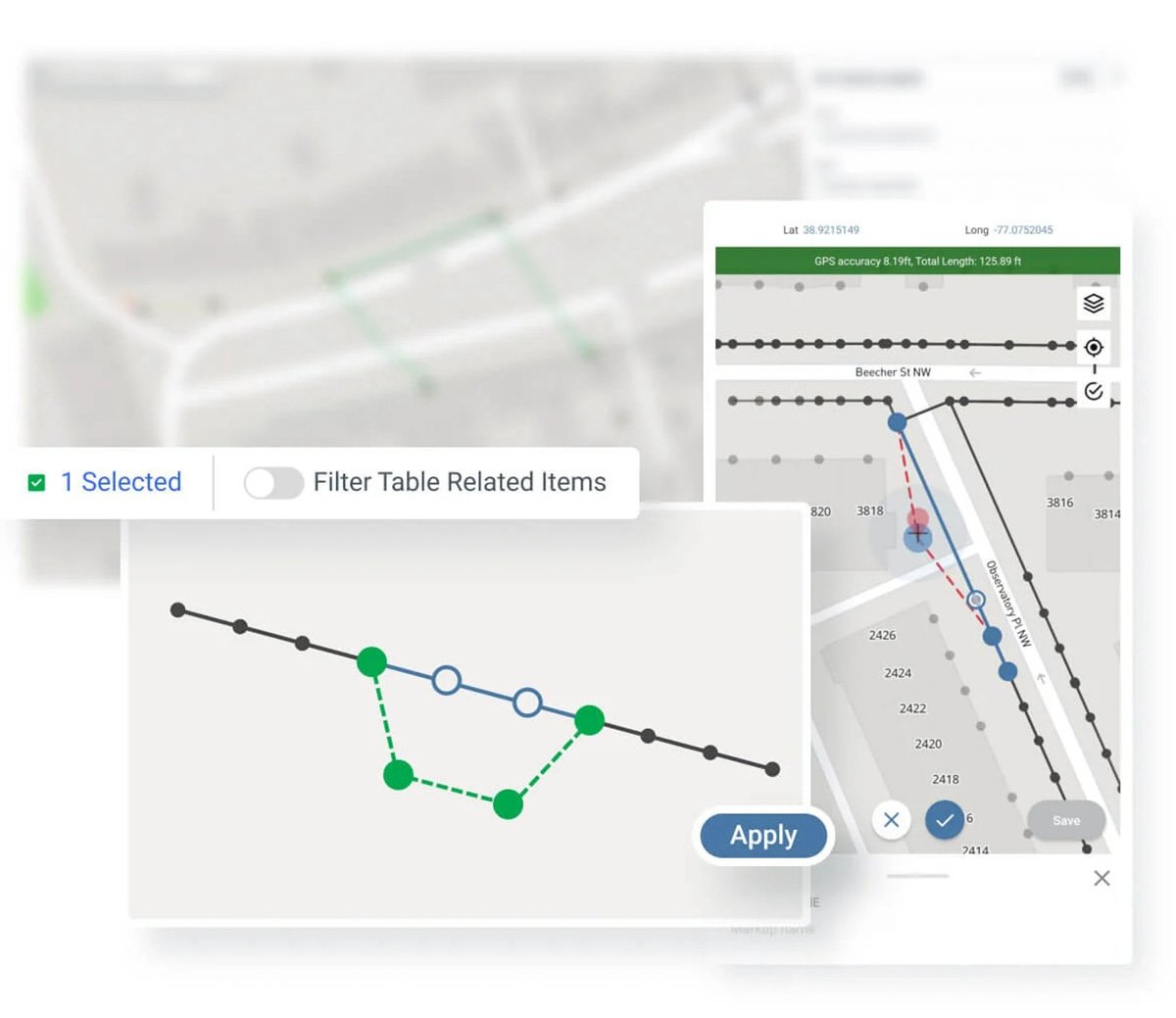
- Update and manage schedules from the field through mobile and cloud-based access for every stakeholder
- Receive automated alerts to keep crews, subcontractors, and office teams aligned as dependencies shift
- Track performance through built-in analytics to identify schedule variance and improve future planning
- Allocate labor, equipment, and materials efficiently using real-time data and resource visibility
Most Popular Resources

Coming Soon: Improved Scheduling in Vitruvi

A Change Management Playbook for Fiber Construction Teams

A Better Way to Support the Teams Building Infrastructure

How Operations Leaders Use Construction Management Software
Transmission vs Distribution Water Lines: What Sets Them Apart
AI for Construction Productivity: Where Efficiency Gaps Start and How to Close Them
Wet Utilities vs Dry Utilities: What's the Difference?
Water Pipeline Construction: How These Projects Get Built and Managed

How Field Supervisors Use Construction Management Software

8 Key Benefits of Construction Management Software: Why Linear Construction Teams Are Going Digital
How QA/QC Managers Use Construction Management Software

How Project Managers Use Construction Management Software

How AI Predicts Construction Delays Before They Derail Your Project

Views, Filters, and Scheduled Exports

BAM Broadband is Putting AI Inspectors to Work on Handhole and Splice Deliverables

Why We Pursued SOC 2 Type II Certification
.webp?width=340&name=ai%20in%20construction%20(1).webp)
Generative AI in Construction: What It Can (and Can't) Do Today
The Real Benefits of AI in Construction for Infrastructure Teams

AI Predictive Analytics in Construction: A Practical Guide for Infrastructure Teams

Construction Workflow Automation: What It Is and How It Works

AI Use Cases in Construction: Where the Technology Is Actually Working

Resource Allocation in Construction: Strategies for Infrastructure and Linear Projects

Critical Path Method Construction Scheduling: Complete Guide for Construction Projects

Construction Scheduling Methods: A Complete Guide for Modern Projects

How to Create a Construction Schedule: Step-by-Step Guide, Tools, and Best Practices

AI Utilities Construction Applications for Modern Linear Infrastructure
-3.png?width=340&name=image%20(1)-3.png)
Best AI Tools for Construction: Project Management, Safety, and Site Operations

Construction Project Management Plan: Components, How to Build One, & More
.png?width=340&name=image%20(58).png)
Construction Daily Reports: Complete Guide to Accurate Site Documentation

How to Plan a Construction Project: Step-by-Step Guide for Infrastructure Projects

Construction Planning: Definition, Process, and Best Practices for Infrastructure Projects

What is Construction Scheduling?

Construction Resource Management: Strategies, Tools, and Best Practices for Infrastructure Projects

Quality Control vs Quality Assurance in Construction: Key Differences Explained
-3.jpg?width=340&name=imresizer-image%20(2)-3.jpg)
Quality Control in Construction: Processes, Tools, and Best Practices for Infrastructure Projects
.png?width=340&name=image%20(7).png)
Construction Quality Control Checklist: Essential Checklists for Infrastructure and Civil Projects
.png?width=340&name=image%20(1).png)
Construction Quality Management Systems: Complete Guide to QMS in Construction

Feature Highlight: Vitruvi AI Field Inspector

Comprehensive Guide to Construction Reporting

How to Choose the Right Construction Management Software for Your Business

A More Flexible Way to Build with Vitruvi

Reflections on 2025 and Why Integrated Operations Will Drive Success in 2026

2026 Utility Forecast and Recommendations from Leading Industry Sources

Planning for Next Year’s Fiber Surge? Use Data Insights to Learn From This Year’s Build Season

How to Avoid Delays in Construction Projects

When the Lights Must Stay On

How to Maximize Crews and Equipment to Hit Q4 Goals

How to Improve Productivity on a Construction Site
.png?width=340&name=Heading(7).png)
Don’t Leave Solo Sam Hanging
The Quiet Quarter: Why Q4 is When Smart Operators Get Ahead of 2026 Maintenance and Compliance Risk

Construction KPIs: Key Metrics for Successful Project Management

Maximize Q4 Builds: Resource Planning That Keeps Fiber Rollouts on Track

11 Best Construction Management Software for 2025

The Best Procore Alternatives for Construction Teams in 2026

Start in Q4, Power Ahead in 2026: The Faster Path to Renewable ROI
Five Ways Utlities can Get a Fast Start on 2026
.png?width=340&name=Heading(9).png)
Set Mismatched Mike Up for Success

No More Slow Starts: Why Fiber Providers Need to Build 2026 Momentum Now

Top 9 Benefits of Using Cloud Construction Software

Racing the Sun: Keeping Renewable Projects on Track Through Year-End

The Final Mile: Why the Last 90 Days Decide the Next 365

Best Cloud-Based Construction Management Software for 2025 Projects

Best 10 Construction Inventory Management Software for Smarter Jobsite Control

Great Opportunities Ahead for Our QA Partner

$289 Million Says You Can’t Afford to Ignore Utility Compliance

Avoiding Delays and Fines
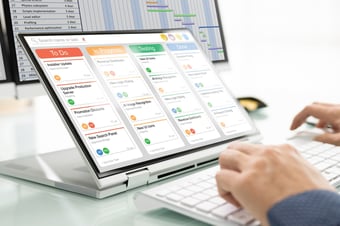
Top 8 Telecom Project Management Software Solutions

Risk, Fines, and Shutdowns: How Construction Management Platforms Keep Oil & Gas Projects Regulatory-Ready
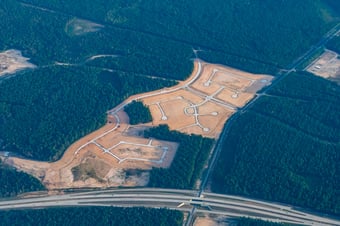
Fiber Deployments in a Regulatory Maze?
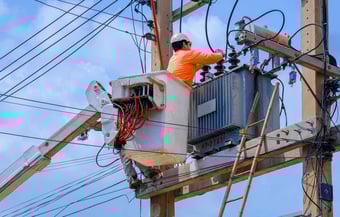
The Power Grid’s Biggest Threat? Aging Assets
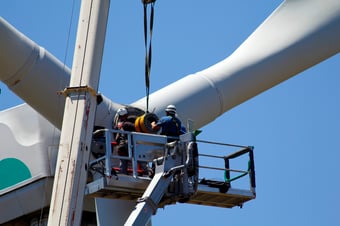
Predictive Maintenance in Renewable Energy: 6 Myths That Could Be Costing You

From Downtime to Uptime: How Vitruvi Helps Prevent Costly Equipment Failures in Oil & Gas

9 Best Construction Data Analytics Software

Top 9 Civil Construction Project Management Software Solutions

Top 8 Renewable Energy Project Management Software Solutions

A Day in the Life of a Fiber Field Technician

From Fiber Rollouts to Long-Term Reliability: AI-Driven Maintenance for Network Stability
.jpg?width=340&name=LinkedIn%20Posts%20%26%20newsletter(6).jpg)
Building Smarter Grids: How Quality Control Technology Reduces Utility Project Failures

Utility Construction Software
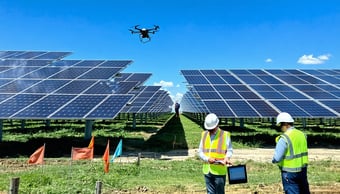
Built Right the First Time: How Field Validation Keeps Renewable Projects Aligned with Funding and Compliance Milestones

Stage 3:From Groundbreaking to Service – How to Deliver Fast, Controlled Renewable Project Execution
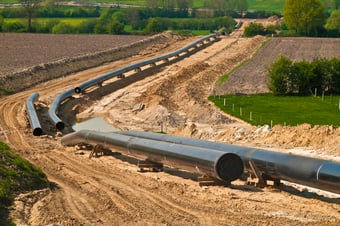
No Surprises, No Shutdowns: Real-Time Construction Tracking for Oil & Gas Projects

Eyes on the Ground: Eliminating Fiber Deployment Delays with Real-Time Progress Tracking

Stage 2: From Planning to Permits – How to Set Your Renewable Project Up for Speed and Success

Avoiding the Permitting Bottleneck: AI’s Role in Smarter Grid Expansion

What is Construction Data Management?

What is a Construction Management System? (Top 12 Platforms to Use)
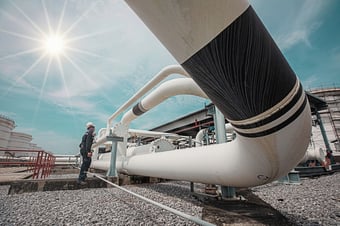
Top 8 Pipeline Construction Software Platforms (2026) | Vitruvi

Best AI Construction Software Platforms (2026)

Top Construction Software for Field Operations Managers

Stage 1: From Site Search to Smart Selection – How to Identify High-Impact Renewable Energy Projects

Cutting Red Tape: How AI is Fast-Tracking Wind & Solar Project Approvals

Sitetracker Competitors: A Comprehensive Guide
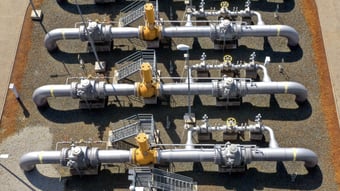
Drilling Down on Delays: How AI Speeds Up Site Approvals in Oil & Gas

A Guide to Data Analytics in the Construction Industry

Permits Without the Pain: AI-Enhanced Site Selection for Fiber Rollouts

The Cost of Unsafe Utility Construction
Optimizing Utility Workforce Management Amid Increased Demand for Undergrounding Electric Cables